How Modern Chinese Luxury Handbag Brands Differ from Western Labels
Modern Chinese luxury handbag brands now hold a distinct place in the global market. Labels like Songmont, Cafuné, Brocade Modern, and Shang Xia are not simply following European traditions. They use Chinese cultural references, heritage craft materials, and design philosophies that set them apart from Western luxury icons such as Chanel, Louis Vuitton, or Hermès. This article explains exactly what makes these brands unique: their signature cultural details, deep craftsmanship, and specific design approaches.
What Sets Chinese Luxury Handbag Brands Apart?
1. Cultural Motifs Run Deep
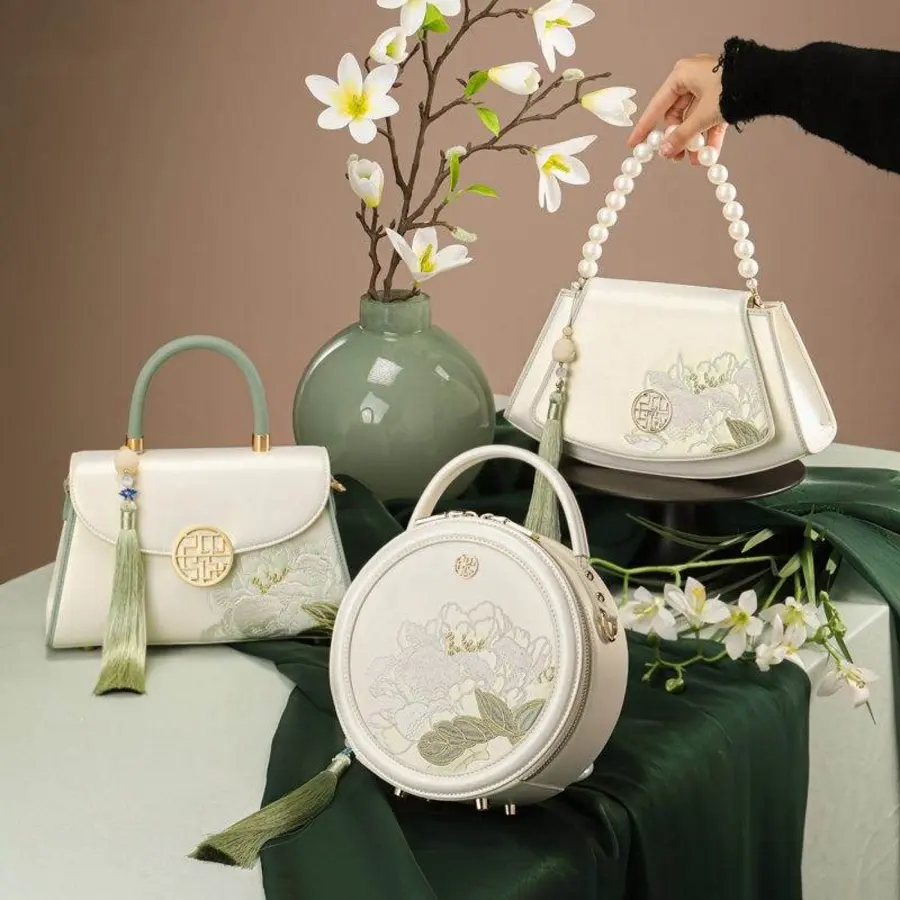
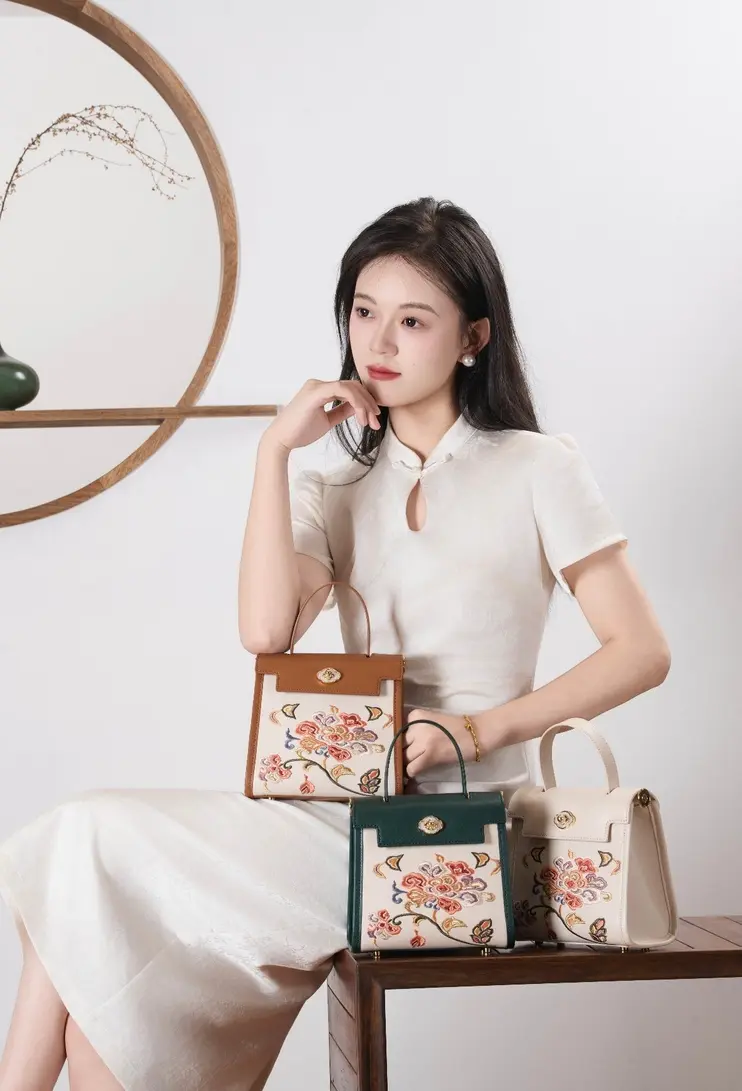
Chinese luxury bag design relies on more than surface-level trends. Many brands build their products around symbolic patterns, heritage stories, and specific references from China’s rich visual culture. This approach is not about loud branding or obvious logos. Instead, the cultural influence is integrated into the forms, materials, and ornamentation:
- Traditional motifs (e.g., phoenix, plum blossom, cranes, peonies) reappear through woven brocades or fine embroidery.
- Patterns are often rooted in dynastic art (Song, Tang, Ming), carrying meanings—renewal, luck, female strength—directly into modern bags.
- The “Guochao” (national tide) movement has evolved in these labels; motifs reflect pride and history without being exaggerated or forced.
Brocade Modern and several other brands use Song brocade or Xiangyunsha silk, drawing on over 1,000 years of textile tradition.
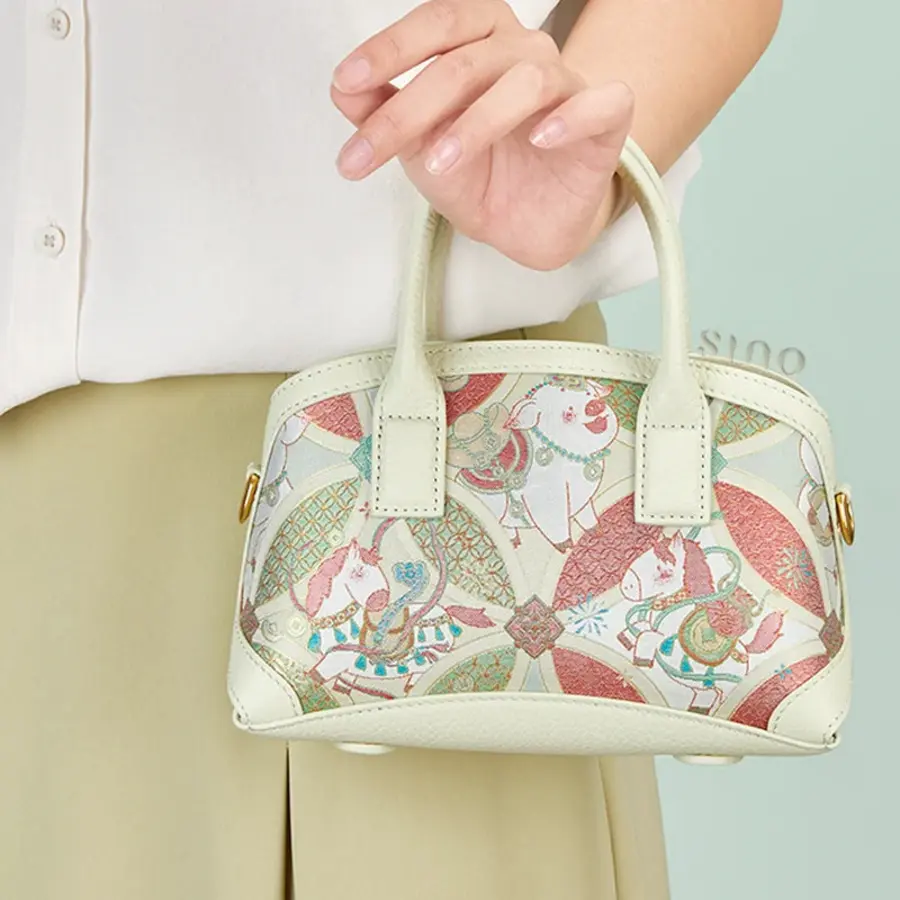
Image source: sinocultural.com
2. Heritage Materials with Modern Purpose
Chinese luxury handbags often showcase unique materials that Western brands typically do not use or cannot source. These include:
- Song Brocade: Once reserved for the imperial court, characterized by its dense, hand-woven structure and intricate geometric and floral patterns. Each pattern is woven, not printed, so it becomes part of the fabric’s identity.
- Xiangyunsha Silk: A rare silk from Guangdong, made through a year-long process involving plant dyes and river mud. This creates a silk with a subtle luster and unique scent, not replicable by machines or quick dyeing methods. Bags using this silk are prized for their texture and quiet luxury.
- Hand Embroidery: Artisans use techniques passed down for generations, with visible stitches, layered textures, and sometimes raised surfaces. The result is visually different from machine-embroidered or mass-produced decorative details.
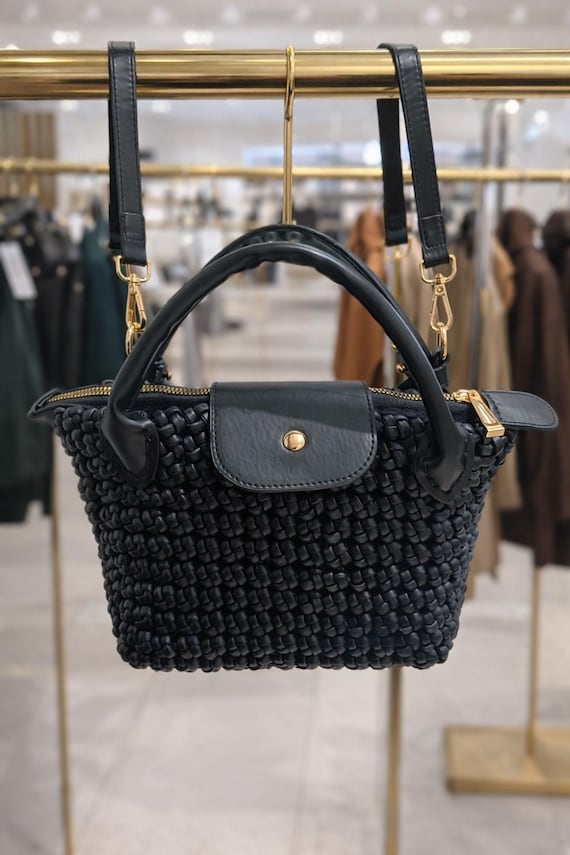
- Basket Weave Leather: For instance, brands like Shang Xia use leather weaving inspired by Chinese bamboo basketry, achieving recognizable structure and a tactile feel distinct from standard European leather goods.
3. Craftsmanship: More Than Manufacturing
Chinese luxury bag brands invest heavily in local craftsmanship, reviving or supporting regional artisan communities. The focus is on:
- Slow, small-batch construction rather than high-volume factory runs.
- Collaboration with expert weavers, embroiderers, and metalworkers in places like Hangzhou or Chengdu.
- Emphasis on making each product feel purposeful and emotionally significant, not just functional or trendy.
Example brands like Songmont stress an “experiential” approach to bag design, linking each silhouette or collection to a specific story, heritage craft, or cultural symbol.
Design Philosophies: Comparison at a Glance
The design approach of modern Chinese luxury handbags differs from Western counterparts in several ways. Here is a direct comparison:
| Feature | Modern Chinese Brands | Western Luxury Houses |
|---|---|---|
| Materials | Song brocade, Xiangyunsha silk, silk embroidery, bamboo, basket-weave leather | Calfskin, exotic leather, monogram canvas, patent leather |
| Motifs & Patterns | Cultural symbolism, geometric repeats, dynastic floral motifs, minimal logo use | Iconic logos, monograms, European florals, brand hardware |
| Craftsmanship | Small-batch, heritage collaboration, hand-embroidery, woven leather | Industrial production with select handmade lines |
| Narrative Approach | Storytelling through craft and cultural reference | Brand history, celebrity, and logo-centric narratives |
| Signature Examples | Luna Bag (Songmont), Phoenix Bloom Clutch (Brocade Modern), Lan Yue Woven Bag (Shang Xia) | Classic Flap (Chanel), Birkin (Hermès), Saddle Bag (Dior) |
Detailed Examples of Key Brands
Songmont
- Design Language: Inspired by Eastern aesthetics and cultural symbols—e.g., the Luna bag references the Chinese moon, with soft, rounded curves and clever closures. Silhouettes are clean, understated, but carry deep meaning.
- Materials & Craft: Focus on shrunken calf leather crafted in China, often with expertise brought in from European tanneries. The construction is seamless, and the bag’s structure is engineered for both function and symbolism.
- Experience: Each new series draws from user needs and cultural stories, such as the feeling of gathering (Yore series), or the flow of memories (Drippy line).
Cafuné
- Style: Urban, contemporary, and minimal. Cafuné combines modern shapes with timeless details—soft, lush materials, and subtle decorative touches rather than obvious branding.
- Founding Influence: Designers trained at global luxury brands bring international polish, but the identity remains rooted in Asia.
- Popular Lines: The Cadence bag is noted for shape and supple feel; the Stance bag for structured, minimal lines.
Brocade Modern
- Specialty: Heritage textiles fused with modern silhouettes. Adds Song Brocade, Xiangyunsha silk, embroidery, and Shu/Zhuang brocade to crossbody bags, totes, and clutches.
- Cultural Motifs: Models such as the Phoenix Bloom Clutch feature meaning-rich embroidery (phoenix for renewal, feminine energy). Each piece is meant for both daily wear and as a distinctive gift with clear cultural identity.
- Function & Finish: Premium hardware and construction; emphasis on compact luxury options.
Shang Xia
- Distinct Identity: Created with Hermès backing, but entirely defined by Chinese design logic. Names, forms, and product logic evoke Han, Song, and Ming dynastic art—filtered through contemporary minimalism.
- Materials: Features basket-weave leather reminiscent of traditional bamboo weaving; uses first-layer cowhide for structure.
- Restraint in Design: Cultural references are felt through subtle elements—proportion, texture, and ritual, not just ornament. Shang Xia focuses on lifestyle architecture, positioning their handbags alongside furniture and tea sets rooted in tradition.
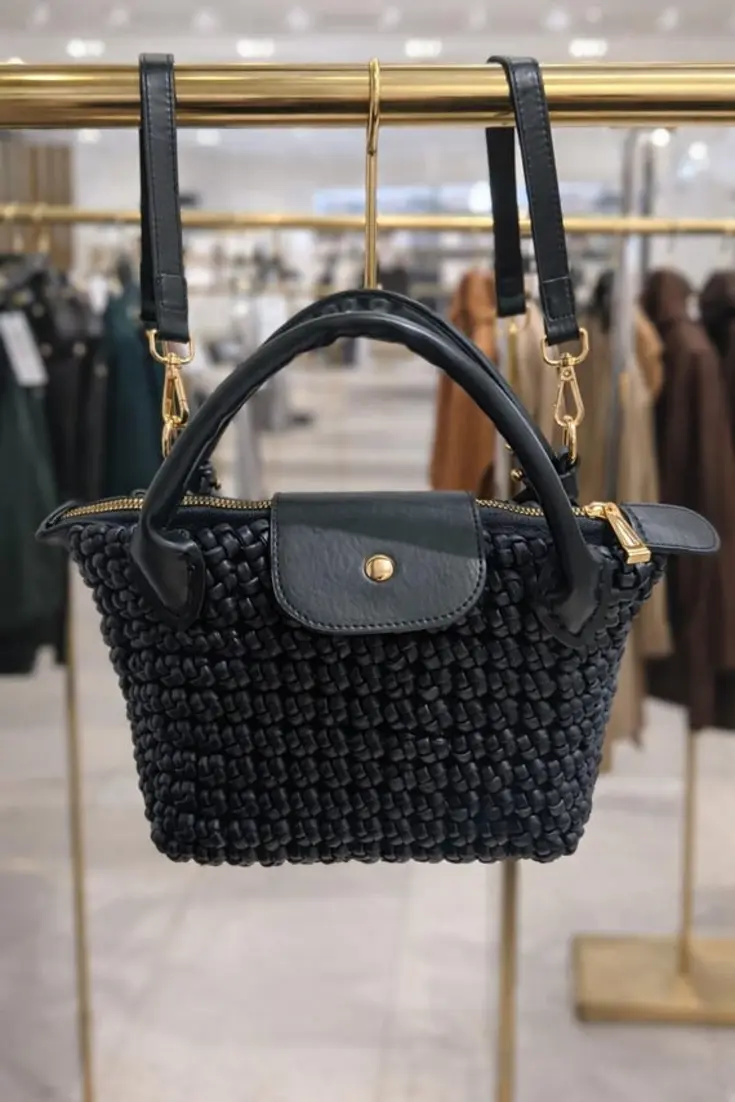
Image source: i.etsystatic.com
Key Signature Elements in Modern Chinese Luxury Handbags
1. Motif Storytelling Without Loud Branding
- Cultural symbols replace Western-style logo visibility.
- Objects like the ruyi scepter or baoxiang flower appear woven into textiles or subtly embroidered.
- The meaning is intended for the wearer, not for mass visibility.
2. Integration of Heritage Textiles
- Song Brocade, Zhuang brocade, Xiangyunsha silk take center stage, chosen for their history and complexity, not just appearance.
- These materials require extensive hand work and cannot be mass produced without losing their qualities.
- Each type carries its own “handwriting”—texture, pattern, color depth—which can be directly explained and understood when handling the bag.
3. Structural Innovation and Everyday Use
- Unlike traditional ceremonial use, these materials are now adapted to functional, practical handbags (totes, crossbodies, clutches) able to withstand modern life.
- Handles, closures, and linings are thoughtfully constructed for reliability while maintaining an artisanal finish.
4. Purposeful Size and Function
- Brands often favor smaller, practical silhouettes (compact totes, shoulder bags, mini-clutches) that feel approachable for everyday wear.
- This balance distinguishes them from Western luxury, which often prioritizes statement size and recognizability.
Why Do These Differences Matter?
Buyers interested in Chinese luxury handbag brands are not just seeking global prestige or a status logo. Instead, they often:
- Want a product that tells a specific story—one that has meaning, origin, and a sense of cultural continuity.
- Appreciate the value of heritage craft, support for artisan communities, and the irreplaceable quality of hand-touched materials.
- Seek originality in their accessories, especially when Western trends feel repetitive or disconnected from lived experience.
What to Look for When Comparing Chinese Luxury Handbags
When evaluating a modern Chinese luxury bag, consider these practical cues:
- Materials: Can the brand clearly identify its silk, brocade, or embroidery origin? Does the craft method show up in the weave or stitch?
- Design Story: Does the bag reference a motif, color palette, or tradition that matters to you?
- Function: Is it made for everyday use or solely as a collectible? (Many top brands now design for daily practicality.)
- Brand Transparency: Is the production process and artisan collaboration made clear, or is cultural influence used mainly as surface marketing?
- Hardware and Finish: Check closures, handles, and inside linings for refinement and practical construction.
Conclusion: The Distinct Signature of Chinese Luxury Handbag Brands
The rise of modern Chinese luxury handbag brands marks a clear shift. Instead of copying Western luxury, these labels pick out Chinese history, artisan skill, and quiet symbolism—integrating them into products designed for today’s use. Song Brocade, Xiangyunsha silk, and original motifs make these bags stand out in materials, meaning, and design logic. For anyone interested in craftsmanship, culture, and originality, these brands provide choices that are genuinely unique compared to their Western counterparts.