Why Authenticity Matters with Chinese Embroidered Bags
Chinese embroidered bags blend centuries-old artistry with practical design. But on today’s market, many look similar on the surface while differing greatly in craftsmanship and value. Knowing how to tell authentic, handcrafted Chinese embroidered bags from machine-made or imitation items protects not just your investment, but also your appreciation for a rare and enduring skill.
This guide gives practical steps to help you verify whether a bag is genuinely hand-embroidered and rooted in Chinese tradition. We focus on what you can actually see and check, without requiring expert equipment or advanced textile knowledge.
What Defines a Genuine Handcrafted Chinese Embroidered Bag?
Core Characteristics
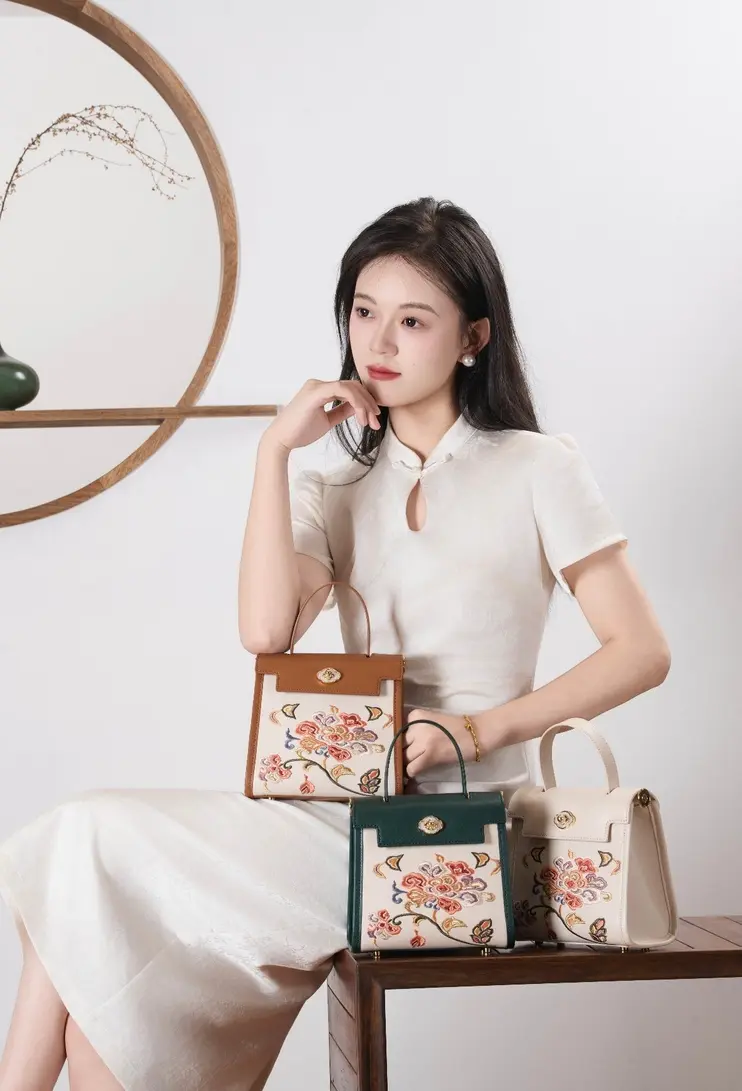
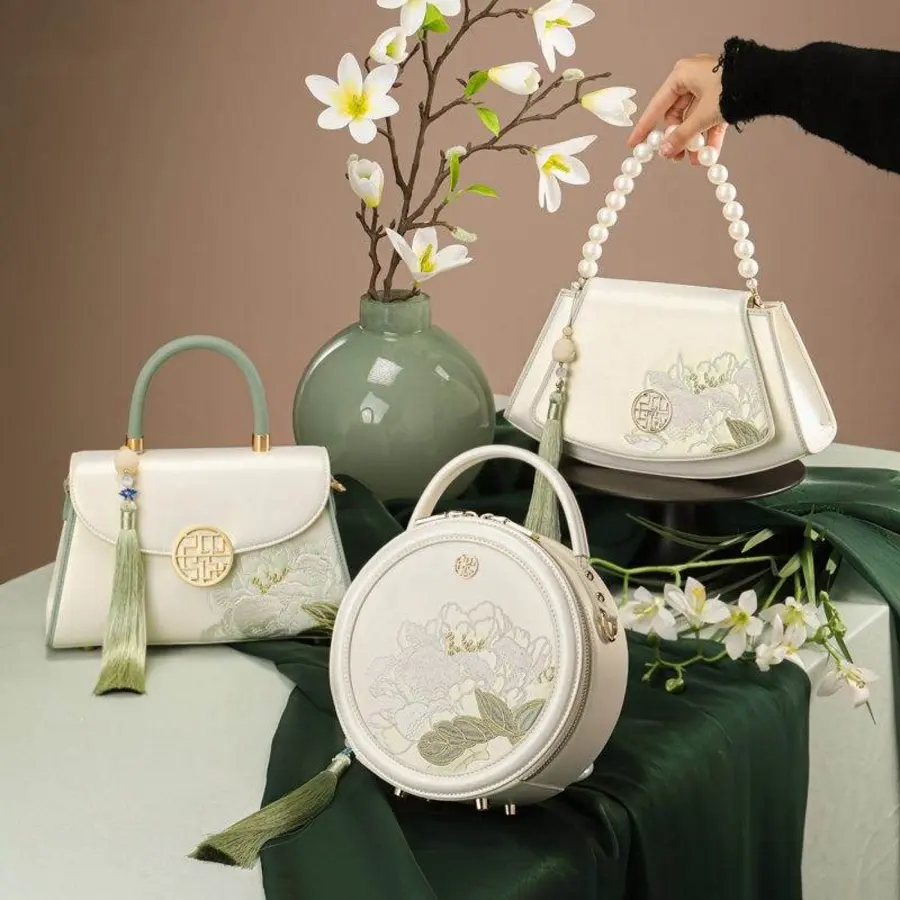
- Hand embroidery: Each motif is individually stitched, often using split silk threads and traditional techniques from regions like Suzhou, Hunan, Sichuan, or Guangdong.
- Cultural motifs: Designs are drawn from Chinese symbolism (peonies, dragons, phoenixes, bats, etc.) and may reflect historical composition and color schemes.
- Quality materials: Silk, cotton, genuine leather, or brocade—often paired with embroidery threads dyed for depth and subtle sheen.
- Artisan detail: A consistent sense of balance, controlled stitch flow, and integration of embroidery, leather, and lining materials.
While mass-produced bags may use some of these elements, the distinction lies in the level of individual care, technique, and subtlety.
Step-by-Step: How to Identify Genuine Handcrafted Embroidery
1. Examine the Stitches Up Close
Hand embroidery stands out most clearly in the stitching details. Use natural light or a magnifying glass if available.
Key visuals to check:
- Irregular thread thickness: Hand embroidery often uses split silk. The thread may look slightly varied in thickness, where a machine thread will appear perfectly uniform.
- Natural stitch variation: Look for minute irregularities—angles, spacing, and slight shifts happen naturally by hand but are absent in machine-made work.
- Directional flow: In quality Chinese embroidery, the stitches follow the movement of the design. For example, a dragon’s scales or a phoenix’s feathers curve and taper with the body, rather than containing abrupt or mechanical turns.
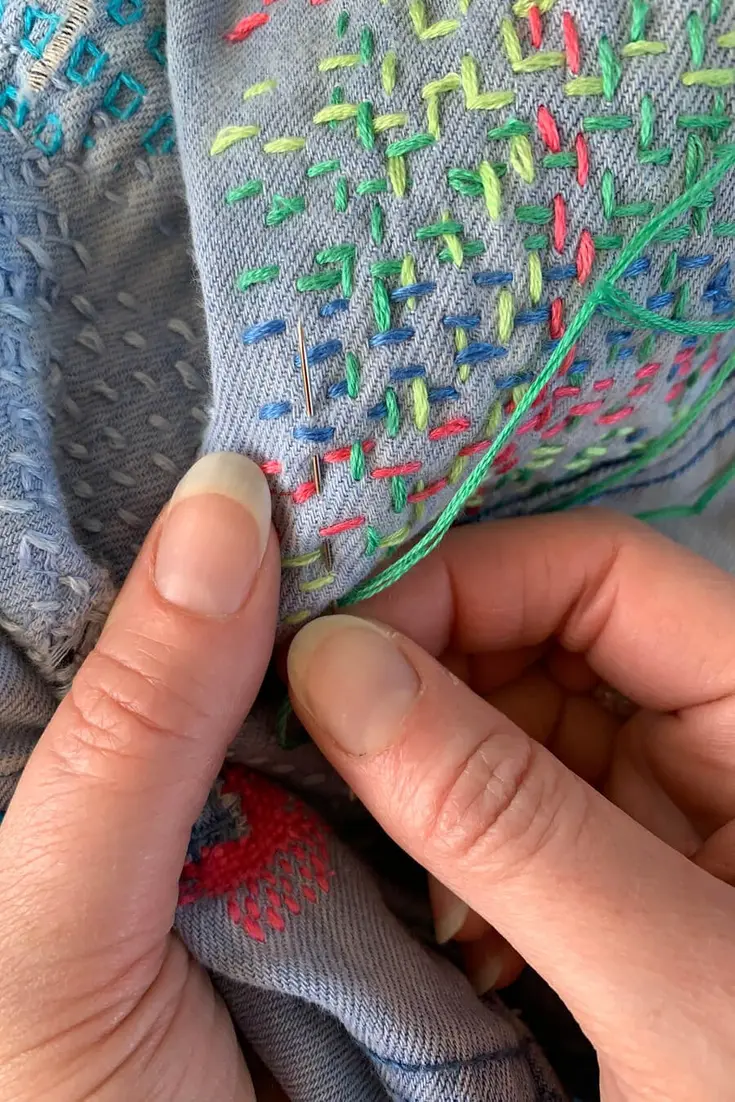
Image source: images.squarespace-cdn.com
2. Inspect the Front and Back
- Front: Quality handwork will appear layered, with subtle color transitions and a sense of depth. Stitches lie smoothly but show a controlled individuality—not stiff or patch-like.
- Back (when visible): The reverse side of hand embroidery may show small knots, minor unevenness, or changes in thread path, a byproduct of manual work. Machine embroidery, in contrast, is often extremely uniform on the back, with no loose ends or thread changes.
Note: If the bag is fully lined, this may not be visible. Inquire for detailed internal photographs when shopping online if authentication is critical.
3. Feel for Texture and Material
- Thread texture: Silk threads used in genuine hand-embroidery have a soft shine that shifts under light. Run your finger gently over the motif (if allowed)—hand embroidery will have a slight relief or texture to the touch, while factory-made embroidery often feels flatter and slick.
- Bag body: High-quality embroidered bags often use genuine leather, silk, cotton, or robust brocade as the base—rather than cheap synthetic or polyester.
4. Observe Motif and Design Quality
Chinese embroidery has a deep symbolic vocabulary:
- Peonies: Signify wealth and nobility
- Dragons (five-clawed, swirling in clouds): Symbolize power and authority
- Phoenixes: Represent virtue, grace, and harmony
- Bats, Buddha’s hand citron, peaches, pomegranates: Symbols of luck, long life, and blessings
On authentic bags, motifs are clearly defined, with meaningful arrangement and careful color planning. Factory products may copy these motifs, but often lack clean edges, layered transitions, or visual depth. Misaligned, crowded, or overly simplified motifs are common in mass production.
5. Evaluate Stitch Techniques and Regional Styles
Some hand-embroidered Chinese bags reflect signature regional techniques. Examples:
- Su (Suzhou) Embroidery: Features extremely fine, split silk threads, double-sided embroidery, and seamless color gradients.
- Xiang (Hunan) Embroidery: Known for bold contrasts and unique swirl stitches to convey fur, feathers, or clouds.
- Yue (Guangdong) Embroidery: Lively patterns, clear outlines, and vibrant colors, often adapted for export.
A genuine artisan bag merges technique and design, rather than looking like a blank bag decorated with an unrelated motif.
6. Color and Sheen
- Natural silk sheen: Silk changes subtly with light. Rotate the bag—colors will shift, adding to the design’s sense of life. Machine embroidery with synthetic threads tends to have a uniform, sometimes plastic-like shine.
- Thoughtful gradients: Hand embroidery can blend colors smoothly to shape petals, feathers, and backgrounds. Harsh or abrupt color changes typically indicate lower-grade work.
7. Finishing and Construction
- Clean edges and seams: Look for tidy finishing, especially where embroidered panels meet leather or other materials. Handcrafted bags show careful alignment and strong, unobtrusive stitching.
- Integrated structure: On true artisan bags, the structure, hardware, lining, and embroidery work together. If the embroidery appears as a stiff patch or overlays cheaply on the base, quality is suspect.
Table: Quick Comparison—Handcrafted vs Machine Embroidered Bags
| Feature | Handcrafted Chinese Embroidered Bag | Machine-Embroidered Bag |
|---|---|---|
| Thread thickness | Slightly varied (split silk) | Completely uniform |
| Stitch pattern | Flowing, natural, minor variations | Repetitive, precise, mechanical |
| Motifs | Layered, harmonious, meaningful | Often flat, crowded, or simplified |
| Color transitions | Gradual, painterly | Abrupt, harsh |
| Embroidery relief | Tactile surface, depth | Generally flat to the touch |
| Material quality | Genuine silk, brocade, leather | Often synthetic |
| Back side | Minor irregularities, subtle knots | Very consistent, no knots |
| Finish and construction | Integrated, clean, balanced | Embroidery may look like a patch |
Practical Checks Before Purchase
For In-Person Shopping
- Ask to examine the bag in natural light.
- Request to touch the embroidery gently.
- Use a magnifier to study stitches, especially along curves and edges.
- Compare with any available machine-embroidered examples side by side.
For Online Buying
- Request high-resolution, close-up photos of the embroidery from multiple angles.
- If possible, ask for in-progress photos of the embroidery work.
- Look for provenance information, references to regional style, or photo evidence of the workshop/artisan.
- Seek returns or authenticity guarantees from reputable sellers.
Cautions: No single visual cue is absolute proof. Use several indicators in combination. Whenever investment or future resale is a concern, seek a certificate of authenticity or an expert evaluation.
Care Tips for Chinese Embroidered Bags
Chinese embroidered bags combine delicate textiles with leather or brocade. Proper care preserves color, texture, and durability.
Storage
- Store in a breathable dust bag or a clean pillowcase (never plastic).
- Keep out of direct sunlight to prevent fading.
- Store upright and loosely stuffed (acid-free tissue works well) to maintain the shape.
- Avoid hanging by the strap for long periods; this stresses hardware and stitchwork.
Cleaning
- Dust gently with a soft, dry brush or a lint-free cloth.
- Do not wash, soak, or use household stain removers on embroidery or leather.
- For silk embroidery, avoid water or steam, which can distort threads or colors.
- For leather trims, use specialty leather care products sparingly—test on an inconspicuous spot first.
Handling
- Carry with clean hands; body oils and lotions can darken both silk and leather.
- Protect from abrasion against rough surfaces or jewelry.
Professional Help
- For serious stains, color bleed, or repairs, consult a textile or leather professional familiar with delicate embroidered items.
Summary
Identifying a genuine handcrafted Chinese embroidered bag is a combination of observing detailed stitchwork, understanding motif significance, checking material quality, and assessing construction integrity. A careful eye and a few close inspections often make the difference between an authentic piece of artistry and a lookalike product. While no single check guarantees authenticity, these steps help you buy—and appreciate—bags that truly carry Chinese embroidery’s unique tradition.