Silk vs. Brocade Handbags: Material, Style, and Care Compared
Choosing between a silk and a brocade handbag is about more than personal taste. If you’re shopping for a special occasion or simply want a bag that reflects traditional craftsmanship, understanding the true differences in their materials, look, feel, and maintenance is essential. Here’s a detailed comparison to help you make a clear, confident choice.
What Is Silk? What Is Brocade?
Silk and brocade are often mentioned together, especially in Asian and luxury textile crafts, but they are not the same thing.
Silk
Silk is a natural protein fiber produced by silkworms. In handbag making, it’s prized for being:
- Soft, smooth, and lightweight
- Drapes easily, with a glowing, fluid luster
- Dense yet thin – feels delicate but is surprisingly strong for its weight
- Dyes very well
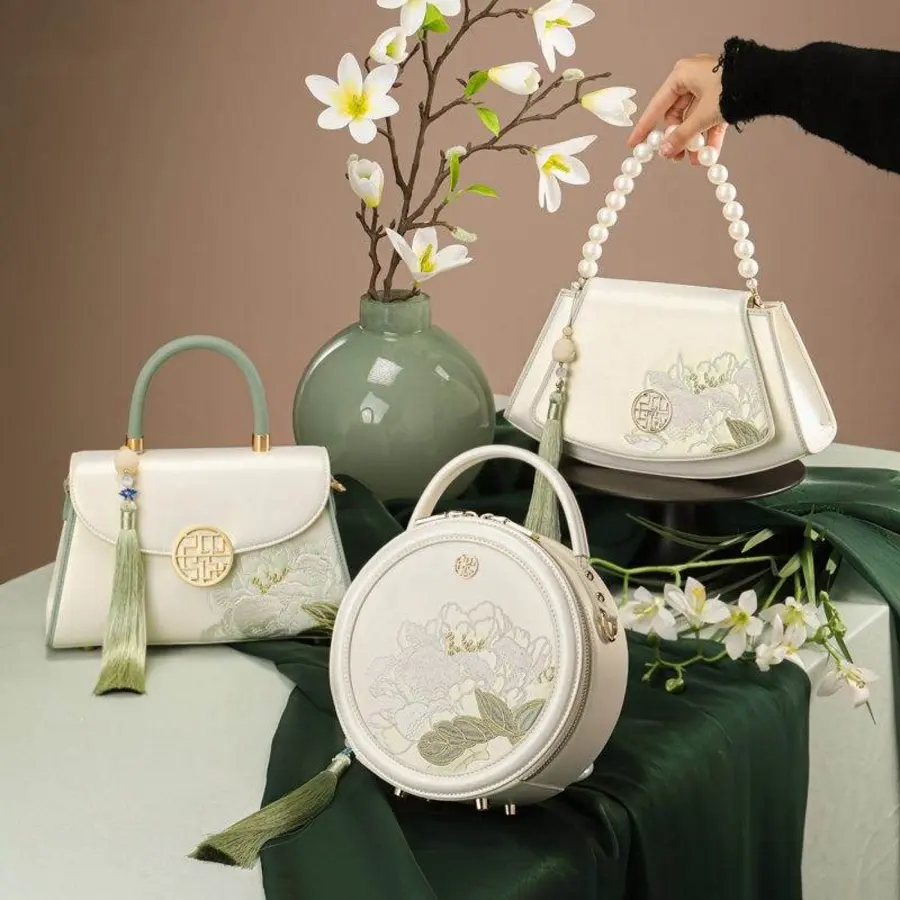
- Common in embroidered and minimalist bags for formal occasions
Brocade
Brocade is a type of fabric, not a fiber. The term refers to:
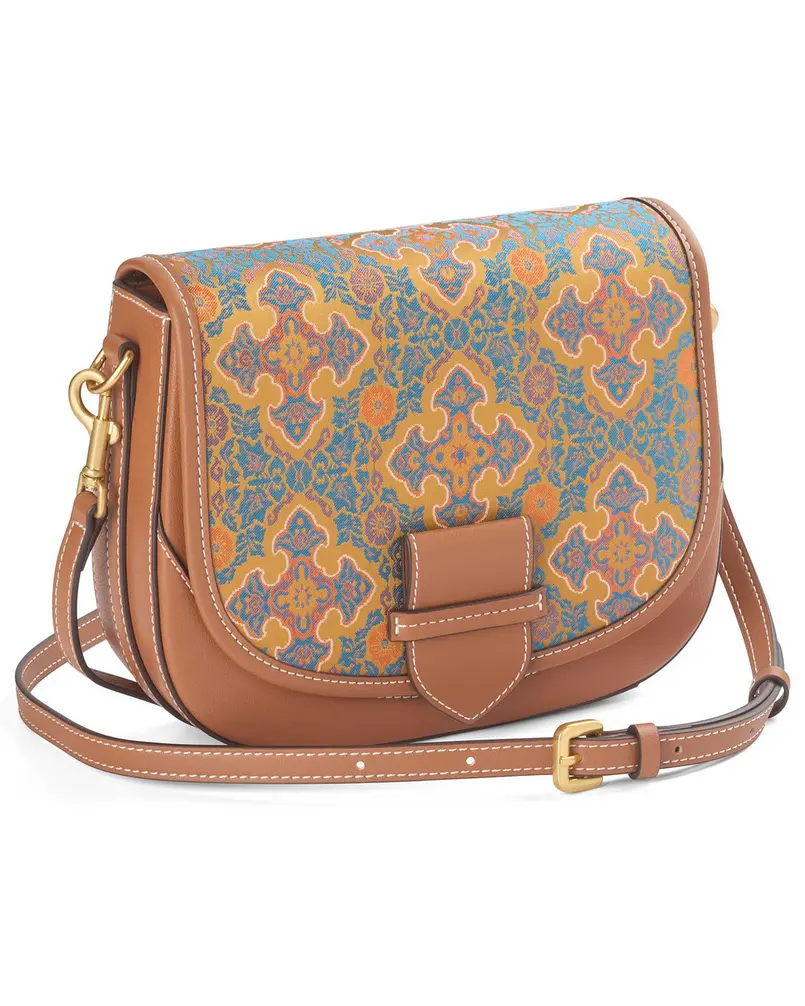
- A woven textile, often using silk, with complex patterns built into the weave
- Typically features raised motifs, like flowers or traditional symbols
- Usually heavier, stiffer, more structured than plain silk
- May incorporate metallic or colored threads for added texture and shine
- Popular for statement pieces and structured bag shapes
Brocade can be made from pure silk, a blend with cotton, or (in modern versions) with synthetic fibers, but traditional Chinese brocade—such as Song brocade or Yunjin brocade—is usually silk-based.
Material Construction and Feel
| Feature | Silk Handbags | Brocade Handbags |
|---|---|---|
| Fiber | Pure silk | Usually silk (sometimes blended) |
| Fabric Structure | Smooth, plain or twill weave | Jacquard technique for raised design |
| Weight/Thickness | Thin, light, flexible | Medium to heavy, stiffer, more rigid |
| Surface Texture | Glossy, soft, even | Textured, with visible motifs |
| Motif/Pattern | Dyed, printed, or embroidered | Woven into the fabric, not applied on |
| Typical Colors | Solid hues, gradients | Multi-tonal, often metallic highlights |
How Silk Feels in a Handbag
- Extremely soft to the touch
- Glides smoothly under the hand
- The surface is mostly even—unless embroidered or beaded
- Highlights movement and drape (good for drawstring purses, envelope clutches)
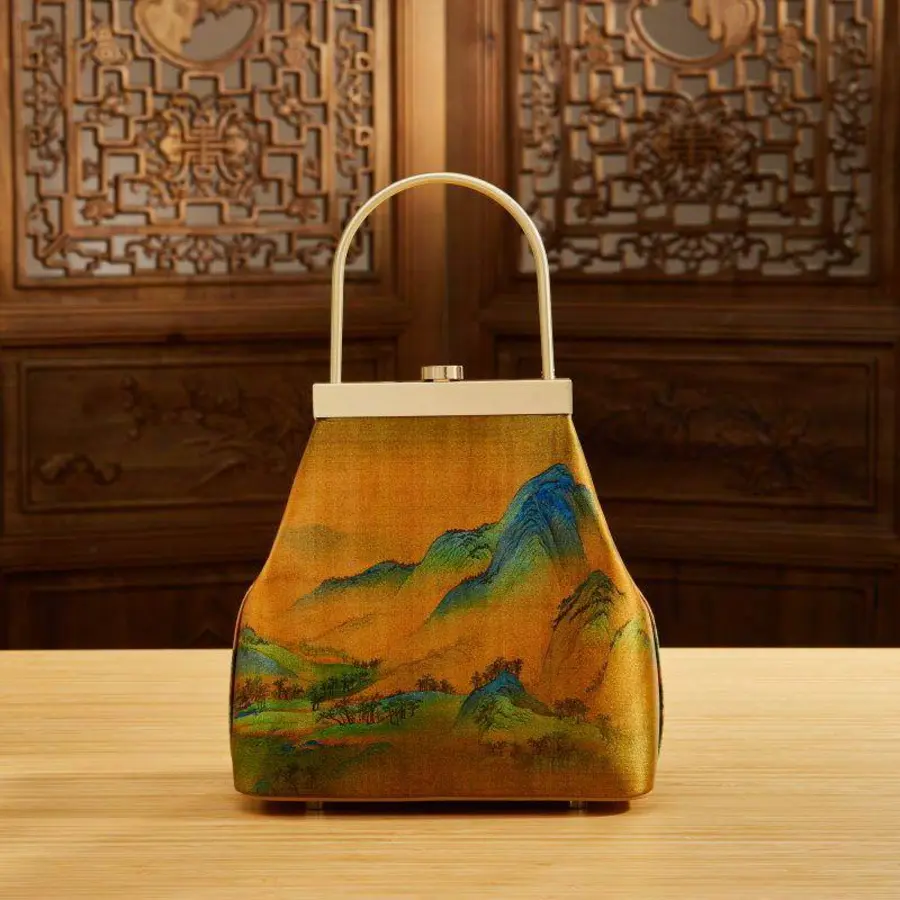
Image source: sinocultural.com
How Brocade Feels in a Handbag
- Texture is prominent—raised woven motifs are instantly felt
- Heavier and holds its shape better
- Has a crisp hand, gives a structured appearance
- May feel slightly cool and firm due to heavier weaving and (sometimes) metallic thread
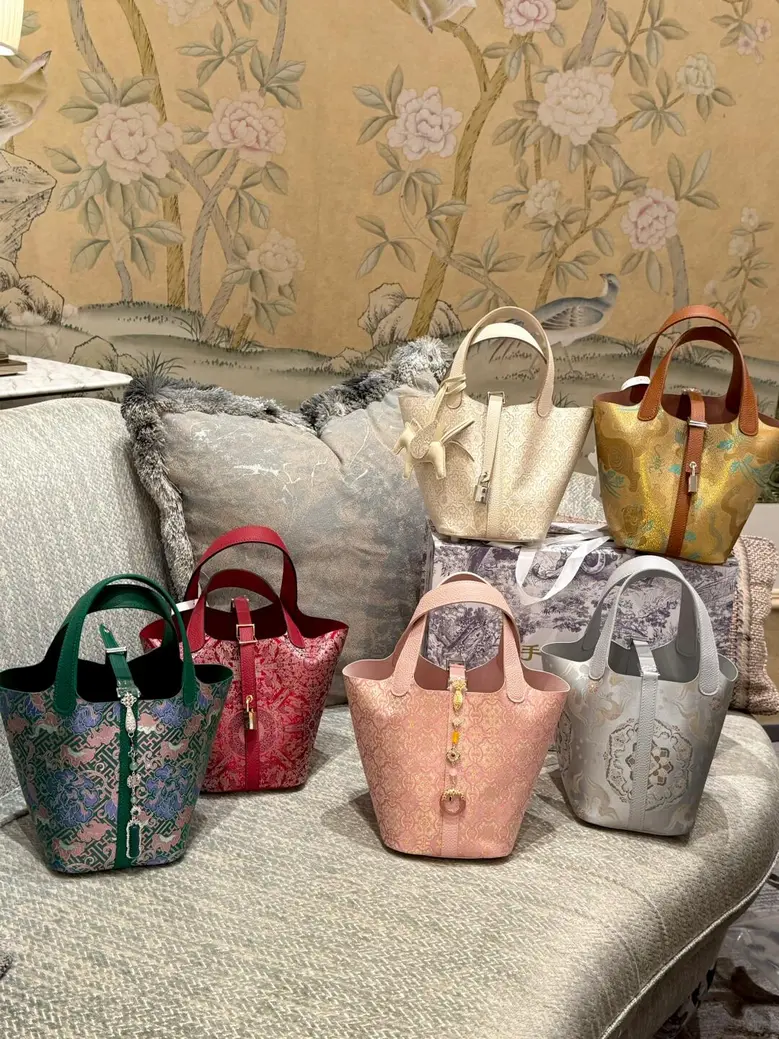
Image source: brocademodern.com
Aesthetic Appeal and Visual Differences
Silk Handbags
- Luxurious, understated appearance: Soft luster, absorbs light.
- Colour: Pure, vivid, even spring-like tones.
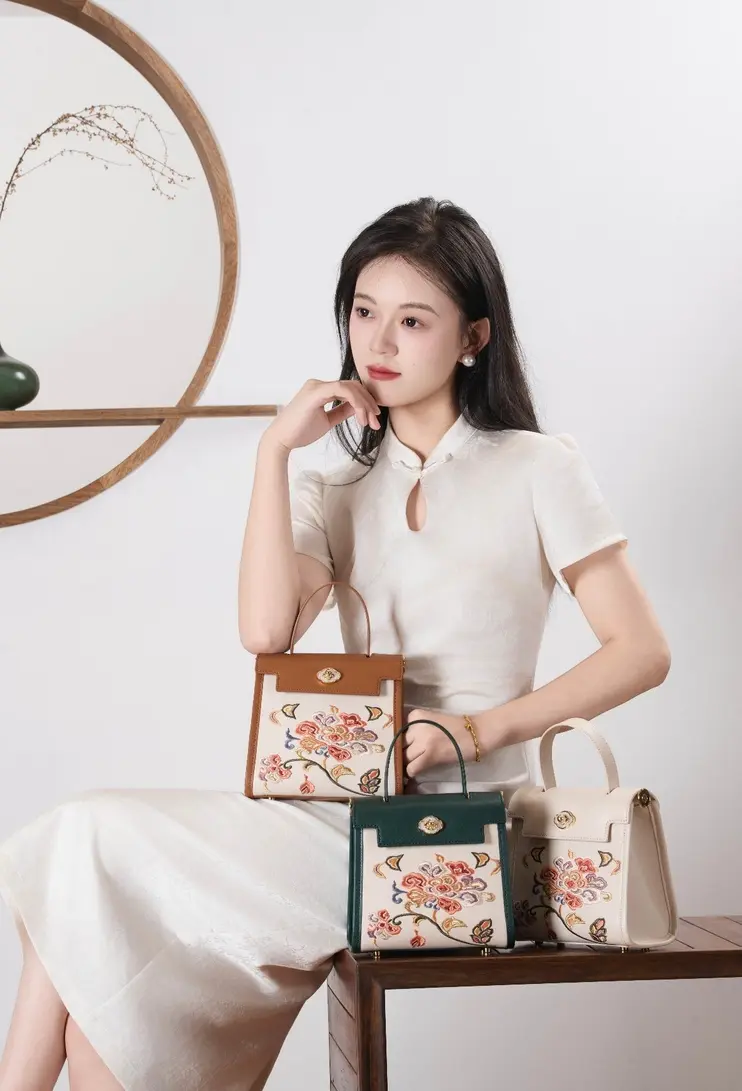
- Decoration: Often relies on the natural beauty of the fiber, but can be detailed with hand or machine embroidery in traditional Chinese flower, bird, or landscape motifs.
- Silhouette: Favors soft, rounded, or gently draping styles.
- Typical Use: Evening bags, delicate pouches, clutches, or vintage-inspired minaudières.
Brocade Handbags
- Rich, ornate presence: Patterns are visible even from a distance.
- Colour: Contrasting threads, sometimes metallic, create a high-impact, dramatic effect.
- Decoration: The pattern is the fabric—floral, geometric, or symbolic motifs are part of the weave, not an overlay. Chinese Song brocade, for example, often features cranes, clouds, or festive symbols.
- Silhouette: Structured forms like box bags, top-handles, and rigid clutches are common.
- Typical Use: Day-to-evening bags, bold accessories for weddings or festivals, gifts, or statement-making designer handbags.
Durability: Which Lasts Longer?
Silk
- Silk is impressively strong for its weight but is still a delicate material.
- Can snag, abrade, or lose luster if rubbed against rough surfaces or metal hardware.
- Sunlight and moisture can weaken silk fibers over time.
- Suited for occasional use or gentle handling, not for everyday wear-and-tear.
Brocade
- The dense weave and thicker structure add durability.
- Brocade is more resistant to snagging and deformation, though it can still be pulled if a sharp object catches a raised thread.
- Stiff, multi-layered construction helps keep the bag’s shape, especially in top-handle and clutch designs.
- Still sensitive to moisture but less likely to show every mark or abrasion.
Summary: For frequent use or rougher handling, brocade is safer. For pure luxury and gentleness, silk is preferred when you can handle it carefully.
Typical Uses and Occasions
| Occasion | Silk Handbag | Brocade Handbag |
|---|---|---|
| Formal Evening | Classic, elegant, understated | Bold, statement, festive |
| Weddings | Soft embroidery, subtle patterns | Traditional motifs, richer colors |
| Daily Carry | Risk of damage, not ideal | Some structured types are suitable |
| Gifts | Sophisticated, refined look | Impresses with elaborate craftsmanship |
| Chinese Festivals | Subtle cultural motifs possible | Embodies traditional symbolism |
- Silk excels as a refined complement to simple, elegant clothing.
- Brocade pairs best with solid-color ensembles, structured clothing, or as a highlight piece at festive or ceremonial events.
Special Notes on Chinese Handbag Craftsmanship
-
Chinese silk handbags may be plain, hand-embroidered, or decorated with motifs related to nature, good fortune, or historical stories. Traditional stitches and regional silk types (like Xiangyunsha, a mud-dyed silk) sometimes appear in high-end examples.
-
Chinese brocade handbags (such as Song brocade or Yunjin brocade) are recognized for their dense, glossy surface and symbolic patterns woven directly into the fabric. These are valued for their heritage techniques and sometimes carry official heritage recognition.
Tip: Embroidery is added onto silk (or brocade), while brocade’s design is built into the fabric. This distinction matters when selecting for authenticity or desired craftsmanship.
Care and Maintenance: Key Differences
Both silk and brocade require more care than everyday bags. Below are actionable steps and important cautions.
Silk Handbag Care
- Cleaning: Use a dry, soft cloth to wipe dust. For spots, blot gently with a damp (not wet) white cloth and immediately air dry.
- No soaking or rubbing: Do not immerse in water or use aggressive stain removers.
- Storage: Store in a breathable, light-shielding dust bag. Avoid plastic, which traps moisture and encourages mildew.
- Keep away from: Sunlight, heat sources, and rough surfaces.
- Professional cleaning: For serious stains, consult a professional with silk experience. Do not machine-wash.
Brocade Handbag Care
- Dust regularly: Use a soft brush or lint roller to remove particles from both the surface and any crevices in the textured pattern.
- Spot clean: Blot stains gently; for silk-based brocade, handle as above. For synthetic blends, mild soap is sometimes safe but always test inside first.
- Protect from friction: The raised patterns can pull; avoid contact with velcro, jewelry, or coarse fabrics.
- Shape retention: Store with tissue inside to maintain form. Place upright or flat, not stacked under heavy objects.
- Avoid moisture: Like silk, brocade can spot easily—keep away from rain and humidity.
General Rules
- Never machine-wash regardless of material.
- No harsh chemicals or bleach.
- Avoid direct ironing. Use a cool iron and cloth barrier if absolutely necessary, only on the reverse side.
Silk vs Brocade Handbags: Which Should You Choose?
- Choose silk if you want a minimalist, fluid look, value softness above texture, and can give the bag gentle, occasional use.
- Choose brocade if you need a statement piece, want a bag that resists losing shape, and prefer a bold visual pattern with a sense of tradition.
If you’re interested in Chinese heritage handbags, Song brocade or Yunjin brocade bags offer cultural value as well as visual flair. For quieter elegance, a plain or embroidered silk handbag offers a refined, lasting choice if cared for gently.
When selecting, check:
- The construction: Is the motif embroidered or woven in?
- The bag’s purpose: Everyday or special occasion?
- The lining and hardware: Are they gentle on the fabric?
Summary Table: Silk vs. Brocade Handbags
| Aspect | Silk Handbags | Brocade Handbags |
|---|---|---|
| Material | Natural silk (smooth) | Woven silk or blend (textured) |
| Look | Soft gloss, even color | Raised patterns, high contrast |
| Shape | Flexible, less structured | Structured, holds form |
| Weight | Very light | Moderate to heavy |
| Use | Formal, gentle occasions | Formal or festive, some daily |
| Care | Delicate, avoid friction | Spot clean, maintain texture |
| Durability | Susceptible to wear | More resistant, still delicate |
Bottom Line
Silk and brocade both have a place in traditional and modern handbags. Knowing how they differ helps you find the right bag for each occasion—and extend its life with the right care.