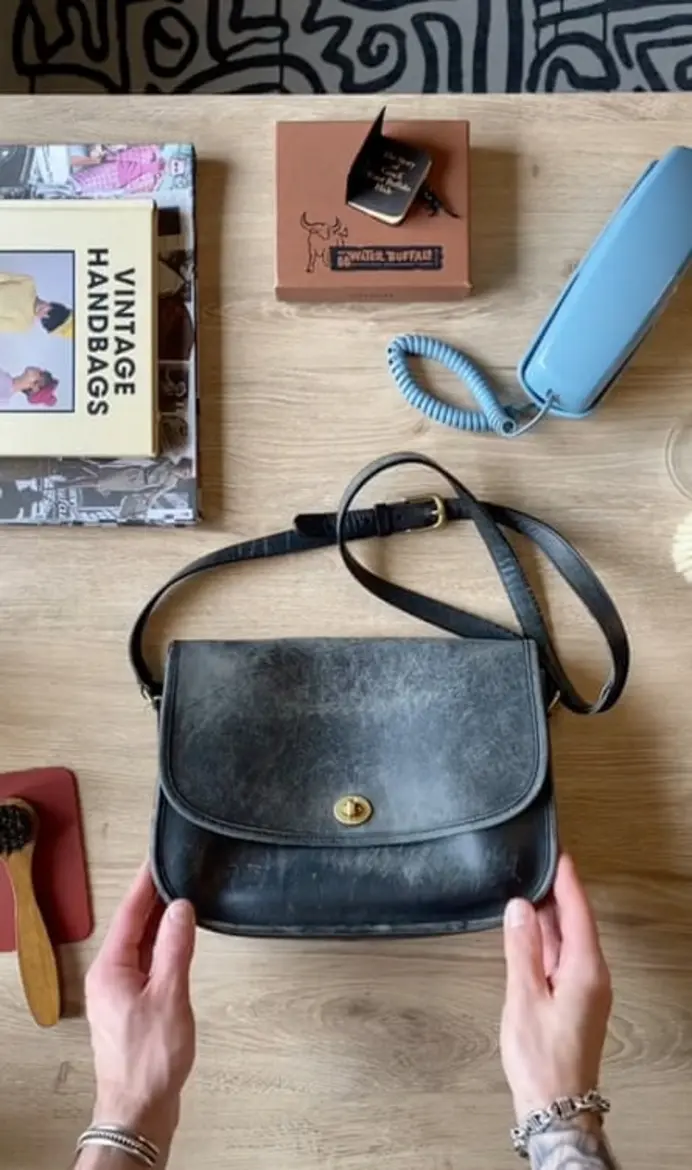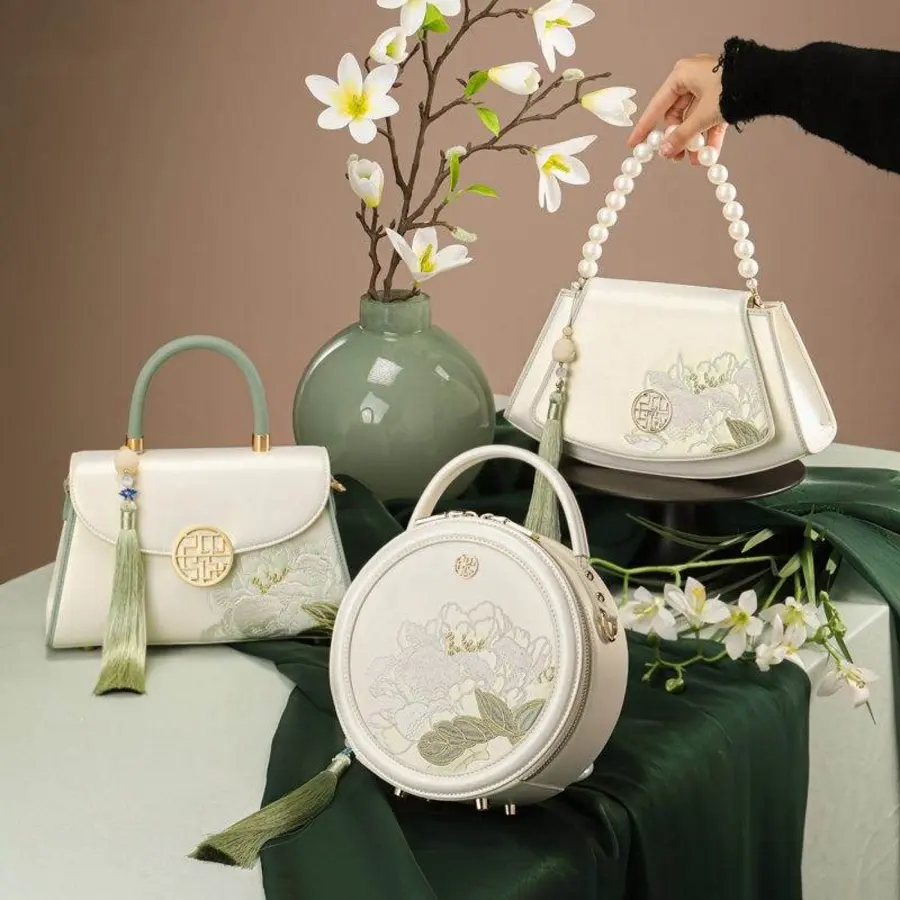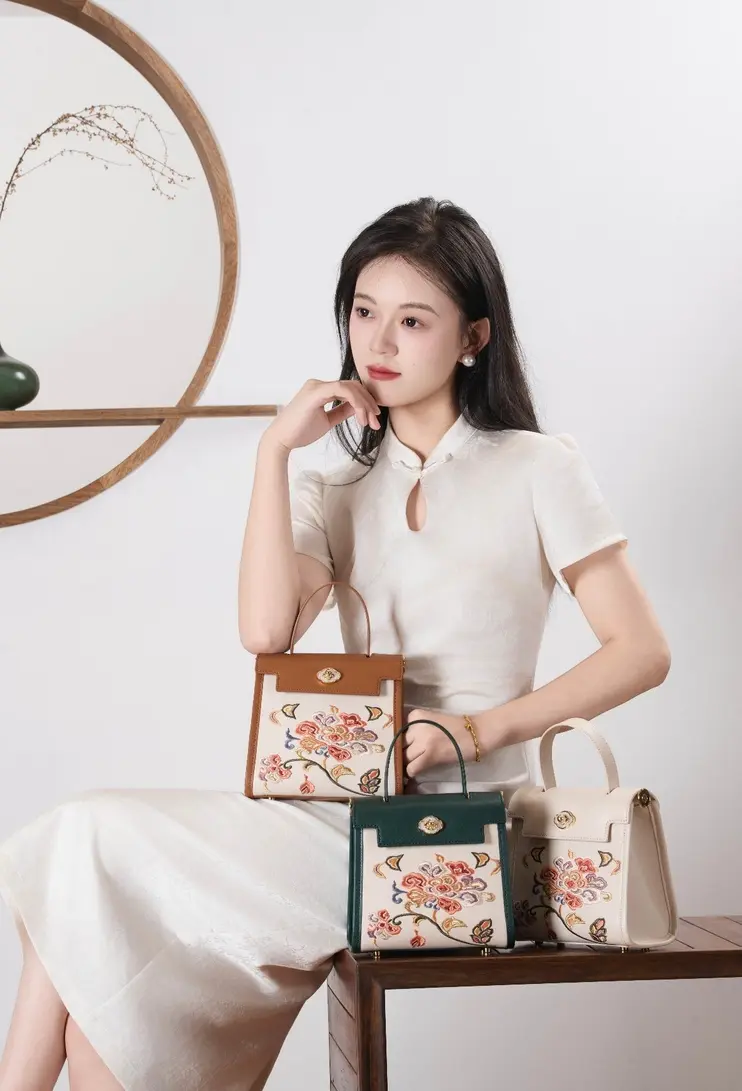
Handbag owners often face a practical challenge: keeping their bags—especially those made of leather, silk, or featuring embroidery—in good condition while not in use. Proper storage is more than keeping a closet tidy; it’s about protecting delicate materials from distortion, fading, or permanent damage. This guide covers step-by-step handbag storage solutions for preserving leather, silk, and embroidered details, with care tips specific to Chinese craftsmanship and materials.
Why Storage Matters for Leather, Silk, and Embroidery
Handbags are crafted from a range of materials, each with its own vulnerabilities:
- Leather can dry out, crack, or become warped if exposed to humidity and sunlight, or if stored incorrectly.
- Silk is sensitive to light, moisture, creasing, and abrasion, which can lead to fading or fiber breakdown.
- Embroidery—especially the dense and intricate handwork found on Chinese handbags—can snag, flatten, or lose its definition through friction or pressure.
An effective storage routine reduces these risks, extending both the beauty and practical lifespan of your bags.
Step-by-Step Handbag Storage Solutions
1. Empty, Clean, and Prepare the Handbag
Before long-term storage:
- Remove all contents, including loose coins, cosmetics, or papers.
- Gently dust the surface using a soft, dry cloth. For leather, make sure it’s fully dry and clean. For silk and embroidered bags, use a soft brush to remove particles—brush in the direction of the threads.
- For seasonal storage, address any stains or marks first, following a material-appropriate care routine. Avoid home remedies that may cause permanent damage, especially for silk or hand embroidery.
2. Choose the Right Stuffing to Maintain Shape
Stuffing helps prevent creasing and distortion, but the right material matters:
- Use acid-free tissue paper, soft cotton cloths, or purpose-made bag inserts.
- Avoid newspaper (the ink can transfer) and colored paper.
- Fill the main compartment, corners, and any exterior pockets gently—do not overpack.
- For structured bags (like box-shaped leather or embroidered satchels), stuffing should support but not stretch the material.
3. Select a Proper Storage Bag
A storage bag shields the exterior from dust, abrasion, and light exposure:
- Use a breathable dust bag made of cotton or undyed flannel. Original dust bags from the purchase are ideal.
- Pillowcases in light, natural fabrics make a suitable alternative.
- Cover metal hardware and zippers with a soft cloth if contact could leave imprints or tarnish the surface.
- Do not use plastic bags or airtight containers for natural materials like leather and silk—these trap humidity, encouraging mold or causing the material to dry and crack.
4. Store Upright, Avoid Hanging
Why Not Hang by Straps?
Hanging bags by their straps—especially heavy or thin-strapped designs—causes stretching, distorted handles, and stress on hardware or embroidery attachment points. This risk is greater with:
- Full-grain leather bags (handles lose firmness)
- Silk and embroidered wristlets (attachment points are especially delicate)
- Vintage bags with hand-sewn hardware
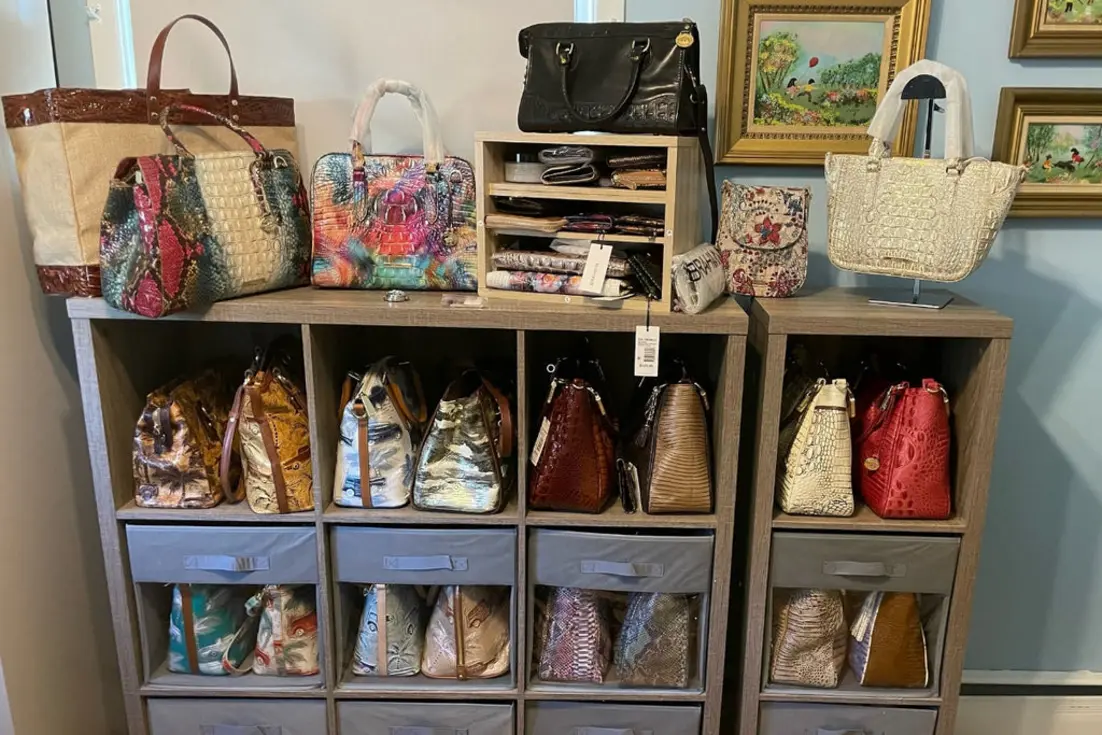
Store handbags upright on shelves or flat in individual slots/sections. For structured bags, upright storage helps maintain their form. For very soft or unstructured bags, lying flat is sometimes preferable; just ensure they are not folded in a way that forms permanent creases.
5. Control Environment: Light, Humidity, and Space
Handbag materials are sensitive to their environment. Address these factors:
- Light: Keep stored bags away from direct sunlight and artificial light that can cause fading, particularly on silk and embroidery. Store in a closet, drawer, or opaque box (with the lid loosely on and breathing ability).
- Humidity: Leather and silk are mold-prone in humid climates. Place a small, unscented desiccant (such as silica gel) or clay moisture absorber nearby, but not in direct contact with the bag or threads.
- Space: Leave each bag its own space. Do not stack bags, as pressure can permanently distort the shape and flatten embroidered surfaces. Use shelf dividers or cubbies to keep them upright and separated.
6. Organizing by Use and Material
Not every bag needs the same frequency of access—or the same level of precaution:
- Frequent-use bags can be stored near the front or on open shelves, but should still sit upright and be covered to minimize dust.
- Occasion or collector’s items (e.g., Chinese hand-embroidered clutches) are better stored in closed compartments, away from fluctuating light and humidity.
- Set up a rotation system: Switching bags regularly helps maintain even wear and forces you to check their condition.
Storage Solutions for Different Handbag Types
| Bag Type | Storage Method |
|---|---|
| Structured Leather Tote | Upright on shelf, softly stuffed, dust bag covered |
| Soft Silk Pouch | Flat or lightly stuffed, dust bag, away from sharp items |
| Embroidered Evening Bag | Upright, separated from other hardware, ample space |
| Crossbody/Shoulder Bags | Upright, straps unbuckled and placed inside or flat |
| Mini-Bag/Clutch | Upright in smaller slot, tissue-stuffed, not compressed |
Special Care for Chinese Embroidered Bags
Handbags incorporating traditional Chinese embroidery or brocade respond best to careful storage:
- Always brush off dust gently and avoid any rubbing of the embroidered side.
- Store upright with enough internal support so the embroidery does not wrinkle or sag.
- Never stack other items on top, as pressure will flatten or deform decorative threads and metallic threads.
- If the bag features delicate silk or metallic embroidery, separate it from leather goods, which can release natural oils.
- Extra caution: Do not store against rough, textured surfaces (e.g., unfinished wood or other embroidered pieces), to prevent snags.
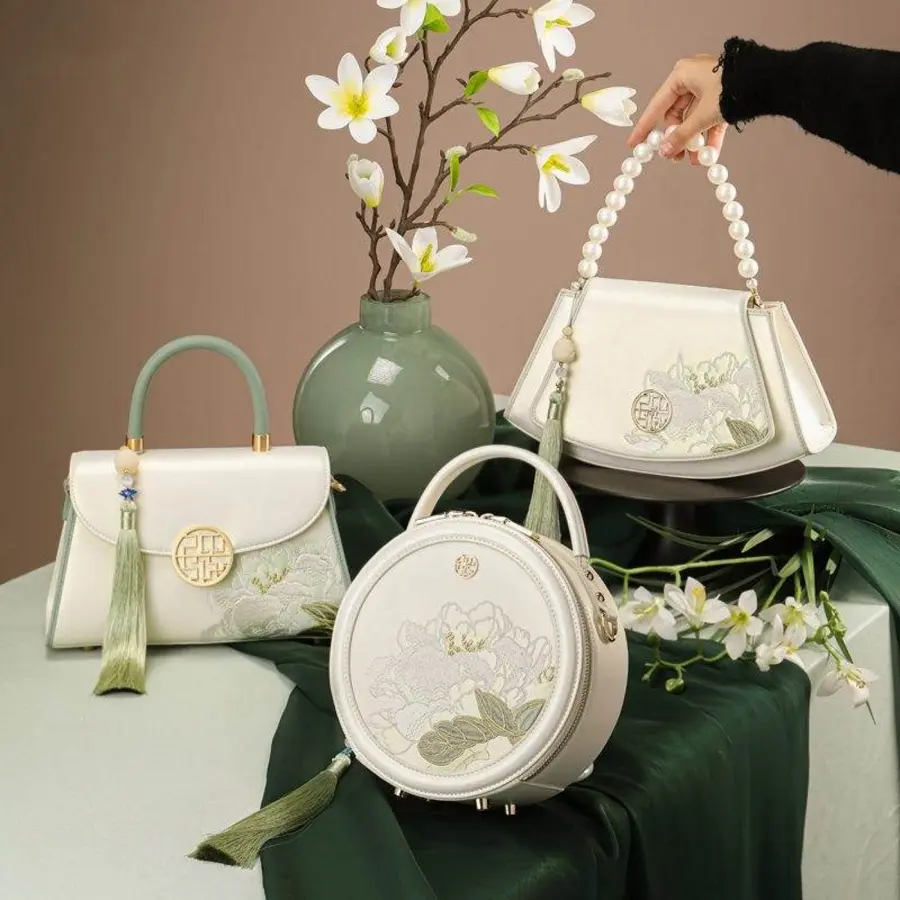
Image source: sinocultural.com
Humidity and Moisture Protection
- If your local climate is very humid, check your bags every 1-2 months for signs of mold or mildew (especially at seams and inside pockets).
- Use a small pouch of silica gel inside the dust bag (not contacting the bag surface) for extra moisture control.
- Avoid scented absorbents, as fragrance can transfer to leather, silk, or embroidery and be hard to remove.
- In dry climates, check for leather drying; short periods of airing in a shaded, ventilated room can help reset humidity.
Long-Term Storage: Seasonal and Collector Bags
For storage longer than a few months:
- Confirm each bag is clean, stuffed, and protected as above.
- Remove detachable straps and store separately inside the main compartment or a small fabric pouch.
- If the bag came in an original box, you can use it for protection—but leave the lid off or slightly ajar to allow airflow.
- Check twice a year for signs of fading, dust, or mildew, regardless of how secure the environment is.
Common Storage Mistakes to Avoid
- Plastic bags or airtight bins: Trap condensation and cause mold or leather cracking.
- Overstuffing: Can stretch and distort seams, especially in silk and brocade bags.
- Underfilling: Lack of support leads to creases, drooping, or warping.
- Stacking or covering with heavy items: Creates pressure points, resulting in visible dents or crushed embroidery.
- Random hanging by straps: Stretches handles and may cause hardware failure or deformed attachment areas.
Material-Specific Tips
Leather
- Use only clean, lint-free stuffing and a breathable bag.
- Keep away from prolonged sunlight—leather fades and dries out quickly.
- If the bag becomes dry while stored, use a leather conditioner suitable for your bag’s type (never on silk or embroidery).
- Never store with vinyl or synthetic bags, as these can release chemicals that damage leather.
Silk
- Silk is best kept away from any source of moisture.
- Avoid contact with cardboard or newspaper—acids and dyes in paper will stain silk irreversibly.
- If silk shows signs of creasing, do not apply heat—reshape gently with fabric-safe supports.
Embroidery
- Check for loose threads before storage. If any are noticed, avoid snags by covering that area with a piece of acid-free tissue.
- For metallic or textured embroidery, keep away from humidity which can lead to tarnishing.
- Never let embroidered surfaces touch each other directly; always separate with tissue or cloth.
When to Inspect and Refresh Stored Bags
- Every 2–3 months, take out each bag from storage for a quick checkup.
- Look for new creases, color changes, or mildew odor.
- Air out bags in a shaded area for a short time before resealing them in dust bags.
Conclusion: Setting Up Reliable Handbag Storage
By establishing a dedicated, climate-controlled storage routine—complete with protective stuffing, breathable dust bags, and careful handling—your leather, silk, and embroidered handbags will retain their structure, surface detail, and cultural beauty for years to come. For Chinese bags with traditional embroidery or brocade, special respect for craftsmanship ensures the preservation of both style and heritage.